Ultherapy and XERF Together: Same-Day or Spaced Out?
How to decide the order and interval when combining Ultherapy and XERF, how pain and recovery differ, what to prepare before your consult, and aftercare — walked through the ATTITUDE Clinic visit flow.
Written by ATTITUDE Clinic Editorial Team
Even with Ultherapy booked, hearing about XERF can make you waver. "Can XERF be combined with Ultherapy?" "If I do both, which comes first?" Both treatments deliver heat to the skin to address firmness, but the depth and area the heat reaches differ. This article covers what each treatment does inside the skin, how the order and interval are decided when combining them, and how recovery and pain differ.
The short answer
Because the two treatments target different layers, they are viewed as a combination that can be done together. The approach is to handle deep layers with ultrasound and the layers above and wider areas with radiofrequency. Whether to finish both in one session or space them by days to weeks depends on skin thickness and sensitivity, the areas that sag, and how much time you have for recovery. The number of shots, energy level and order are decided during your consultation after examining your skin, and no combination can guarantee a set result in advance.
Where do Ultherapy and XERF deliver heat in the skin?
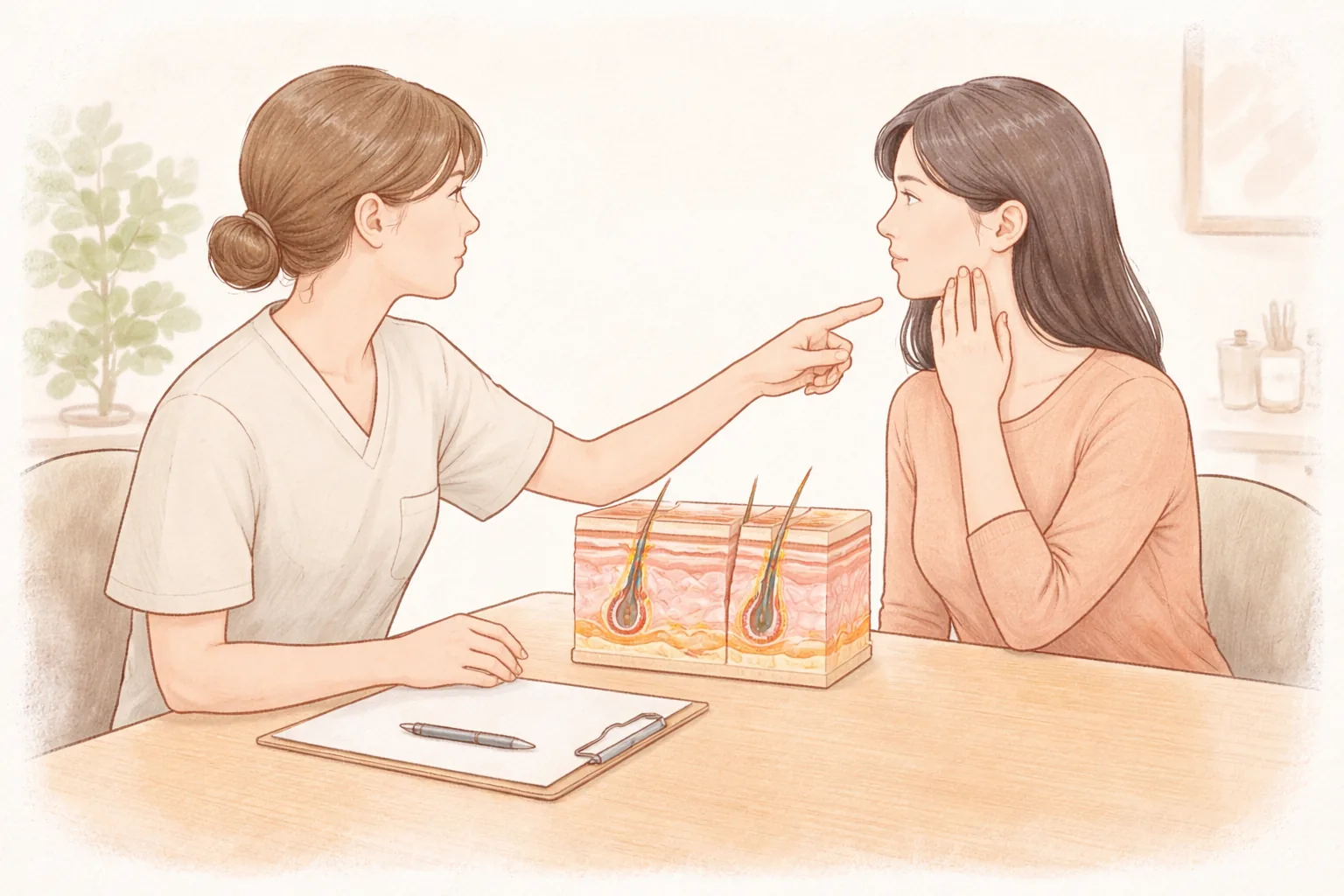
What separates lifting treatments is how deep and how precisely the heat is delivered. ATTITUDE Clinic's column on the principles of Ultherapy, Shurink and Thermage states that delivering heat to the SMAS layer (a thin membrane deeper than the dermis that supports the facial muscles and skin) is key to addressing sagging. Ultherapy uses HIFU (high-intensity focused ultrasound, which concentrates ultrasound at a single point like a magnifying glass focusing light) to create small thermal points at depths set by each cartridge. This heat is thought to slightly contract collagen (the protein that keeps skin firm) and gradually begin remodeling it.
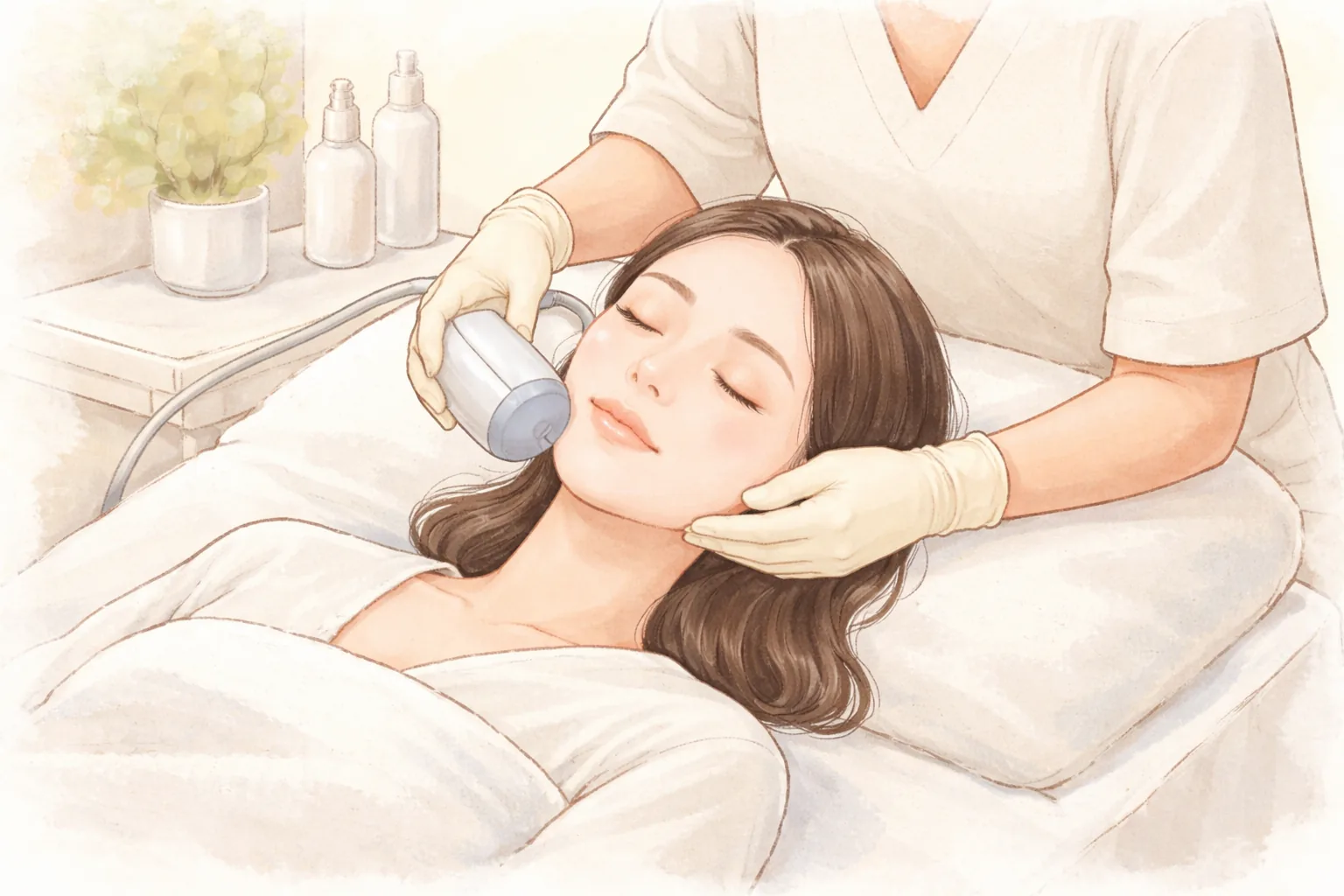
Radiofrequency works differently. Electrical energy passes through skin tissue and converts to heat, and unlike ultrasound which focuses on a point, it warms a broad area from the dermis to the subcutaneous fat layer. ATTITUDE Clinic's treatment guide classifies XERF as a lifting treatment using monopolar radiofrequency. In short, Ultherapy places points in deep layers, while XERF falls into the category of heating layers with radiofrequency. Rather than pressing the same area hard twice, it is closer to each handling a different layer.
According to the Cleveland Clinic guide, Ultherapy uses focused ultrasound to stimulate collagen in very deep layers of the facial muscles, lifting and tightening sagging skin, and usually has no downtime. It takes about 30 to 90 minutes depending on the treatment area and can take longer with more areas, and areas near bone may leave bruising or tenderness. The American Academy of Dermatology guide notes that there are several ways to firm skin without surgery. This means that even for the same firmness concern, the choice differs depending on which layer is the issue.
Common misconceptions about combining treatments
The most common misconception is expecting that combining two treatments doubles the effect. The fact that the two treatments handle different layers also means the total amount of heat your skin receives increases. When treatment areas overlap, heat stimulation overlaps, and redness and swelling can last longer than usual.
Another is thinking that radiofrequency, being less painful, can replace Ultherapy. The two categories reach different layers, so it is closer to a division of roles than a substitute. ATTITUDE Clinic's column also notes that deep layers are sometimes handled with ultrasound-based devices and skin texture or broad-area firmness with radiofrequency-based devices, used together.
The wide variation in pain also affects the decision to combine. As heat stimulation intensifies, pain increases, and areas near bone with dense nerves — such as the jawline, cheekbones, forehead and eye area — feel more sensitive even at the same energy.
How are order and interval decided?
There is no fixed answer. The column on why results differ even with the same treatment states that the order and interval are decided by looking at your skin's healing capacity, the time you can dedicate to recovery, and how treatments affect each other when combined. Even with the same combination, the recovery process and how it feels can differ depending on whether you do it all at once or split it up.
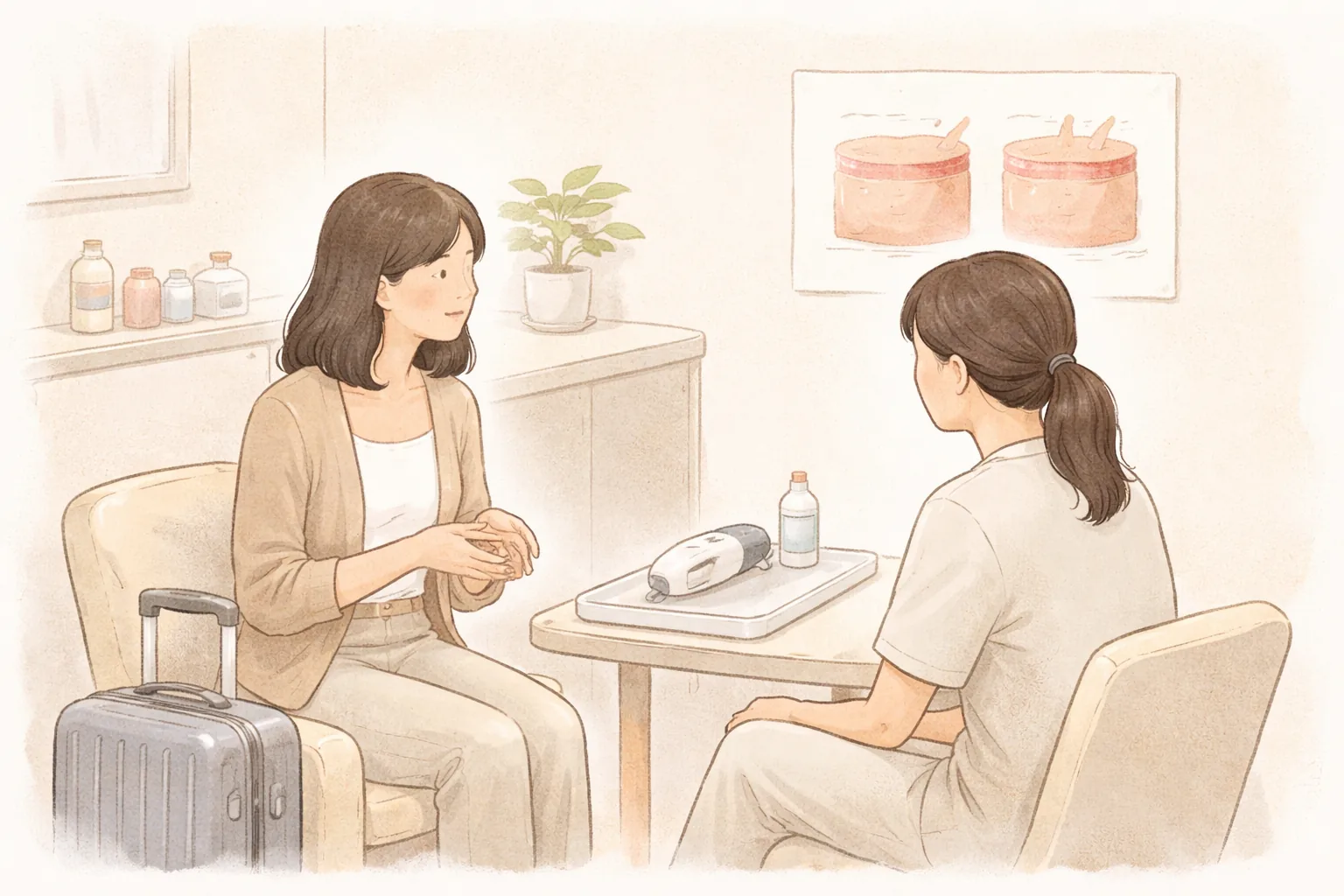
In consultation, three things are actually checked. Whether the sagging you want to address is in a deep layer or a broad layer, how much total heat your skin can handle, and how much recovery time you have before your upcoming schedule. Knowing the lifting devices and shot counts you have had before and how you responded makes deciding the interval much easier. If you bring your records, the doctor reviews them and decides together with you whether to consider different devices, doses or order.
Table 1 How are order and interval decided?
Category
Energy method
Targeted layer
Concerns often addressed together
Ultherapy
Ultrasound focused to a point
Deep layers such as dermis to SMAS
Deeply sagging areas such as jawline and double chin
Shurink
Ultrasound focused to a point
Same ultrasound category as Ultherapy
When addressing broad areas comfortably
XERF
Monopolar radiofrequency
Depth decided in consultation
Radiofrequency-based approach of heating layers
Thermage
Broad heating with radiofrequency
Dermis to subcutaneous fat
Skin texture, broad-area firmness
Swipe sideways to see the whole table.
In summary These two treatments are best understood not as substitutes but as a combination that divides layers. Whether to do them in one session or split them up is decided by the total heat your skin can handle and your recovery leeway, and the shot count is adjusted to the area and depth. The order and interval are decided during consultation after examining your skin.
How are shot counts and maintenance periods viewed?
According to ATTITUDE Clinic's treatment guide, Ultherapy ranges from 100 to 900 shots, eye Ultherapy is 100 shots, XERF ranges from 300 to 900 shots, and eye XERF is divided into 225 and 450 shots. A higher number is not always better. The necessary units are decided according to facial area, the depth to be reached, and the degree of sagging, and even with the same shot count, results differ depending on which area and how the shots are distributed.
Increasing the shot count intensifies heat stimulation, which also raises pain and recovery burden. That is why cases needing strong settings and cases going lightly for prevention feel very different even for the same treatment.
Maintenance periods vary greatly between individuals. ATTITUDE Clinic's column states that changes from Ultherapy-type treatments, if any, usually appear gradually over 2–3 months, and the repeat timing is decided by the doctor based on progress at around 1 year. This is because the degree of SMAS layer laxity, age, UV exposure and lifestyle habits change the speed at which collagen is produced and broken down. The Cleveland Clinic notes that the main candidates are those in their 30s or older with mild to moderate skin laxity, and that some receive it for prevention even before their 30s.
How do pain and recovery differ?
Ultherapy penetrates deep layers momentarily, so it is often described as a deep, hot sensation, while radiofrequency warms broadly near the surface, so it is often described as a lingering heat. However, variation is large depending on the area and energy level, so the same person on the same day feels it differently in different areas. The Cleveland Clinic notes that numbing cream is usually not needed but some apply it to reduce pain, and that tingling or a warm sensation may occur during the procedure.
Recovery is mostly short. For a day or two after the procedure, slight redness and mild warmth from heat stimulation may remain, and areas near bone may have bruising or tenderness for several days. During this time the skin's barrier is temporarily weakened, so paying more attention to UV protection than usual helps recovery without pigmentation.
If this applies to you
When a wedding or photo shoot date is set
If a date is set, plan by counting back from the treatment timing. Lifting changes tend to appear over several months rather than right after the procedure, so it is best to have the first treatment at least two to three months in advance and leave time to observe progress. If you plan to combine two treatments, calculate recovery time as well when deciding the order.
If your skin is sensitive or prone to redness
If redness tends to linger, consider lowering the intensity by one level or splitting the treatments with an interval. Instead of combining in one session, splitting by layer to check your response makes it easier to decide the next settings.
If you want ongoing maintenance
It is better to plan with repetition in mind rather than a one-time treatment. The repeat timing is adjusted based on progress at around 1 year, and how to mix in skin texture care or skin boosters in between is decided in consultation.
If you are an overseas visitor on a short stay
If your stay is short, arrange the treatments in order of shorter recovery. Calculate in advance whether the first consultation, treatment and follow-up fit into your schedule, and let us know during consultation if follow-up after returning home is difficult so it can be reflected in the plan.
Please let us know before your consultation
Strong UV exposure within the last 2 weeks (travel, outdoor activities)
Medications you are taking and active ingredients in your skincare
Records of previous lifting, filler or skin booster treatments and how you responded
Important upcoming events and the recovery period you can allow
How ATTITUDE Clinic proceeds
AI skin analysis record — Skin condition is recorded and organized so that you and the doctor look at the same information together. The analysis tool only records and organizes information to assist the consultation and does not make medical diagnoses; interpretation and judgment are made by the doctor.
Doctor consultation — Your concerns, lifestyle habits and previous treatment experience are added to the analysis record to decide together what is needed and what is not, and which combination, order and intensity to use. From devices with different delivery methods and layers of stimulation — such as Ultherapy, XERF, Thermage, Shurink and Onda — the appropriate one is selected.
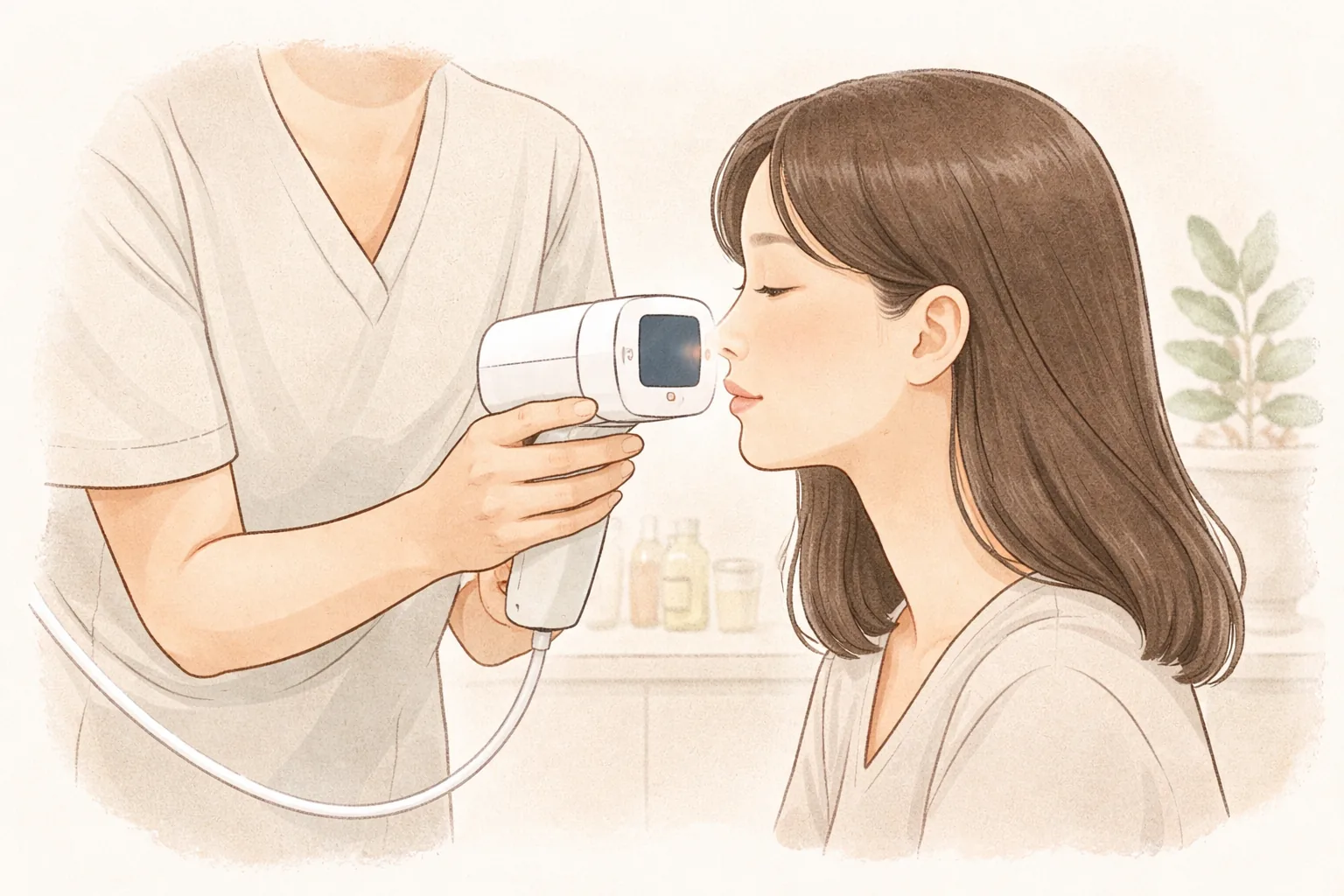
Treatment performed by the doctor — The doctor personally performs the procedure according to the plan set in consultation and adjusts intensity while observing skin response during the procedure.
Follow-up and deciding the next interval — The next treatment timing is decided by observing how redness and swelling subside and when changes appear.
Aftercare and side effects
Soothing — Cold compresses on the day of the procedure may help with swelling. Avoid saunas, intense exercise and alcohol that day.
Moisturizing — Skin tends to dry after heat stimulation, so moisturize more than usual.
UV protection — Apply sunscreen carefully for several days. UV exposure during this period can lead to pigmentation.
Follow-up — Decide the next schedule by observing how quickly redness and swelling subside and whether tenderness when pressed decreases.
Common reactions are redness, swelling, small bruises, and temporary tingling or numbness. They usually subside within a few days but may last longer. Rarely, burns or blisters, small scars, temporary facial muscle weakness, or unwanted fat layer volume loss can occur, so setting the energy level and treatment depth accurately is important.
If blisters form, pain progressively worsens, or numbness persists for a long time, do not wait — seek medical attention.
Frequently asked questions
Can XERF be combined with Ultherapy?
It is viewed as a possible combination. Ultherapy uses ultrasound for deep layers while XERF heats layers with radiofrequency, so they target different positions. However, whether to do both in one session or space them out depends on skin thickness, sensitivity and recovery leeway, so it is better to set the overall plan first. Previous treatment records help with deciding the order.
What is the basis for choosing same-day treatment versus spacing them out?
The basis is the total heat your skin can handle and your recovery time. Even with the same combination, the recovery process and how it feels can differ depending on whether you do it all at once or split it up. If redness tends to linger or your schedule is tight, splitting the treatments is considered. Conversely, if you have enough recovery time and tolerate stimulation well, scheduling them together is also an option.
Is 300 shots of XERF enough? How is the Ultherapy shot count decided?
The shot count is decided by facial area, the depth to be reached, and the degree of sagging. The treatment guide divides units into 300, 600 and 900 shots because the required amount differs even for the same treatment. Raising the number intensifies heat stimulation, which also raises pain and recovery burden. Which unit is right is decided during consultation, and previous records are referenced if available.
Does combining them increase pain or side effects?
When treatment areas overlap, heat stimulation overlaps, and redness and swelling can last longer than usual. However, since the targeted layers differ, adjusting intensity allows them to be scheduled within a tolerable range. If you are sensitive to pain, let us know during consultation and the anesthesia method and energy level will be adjusted together. If blisters or progressively worsening pain appear, immediate evaluation is needed.
What should you check when choosing a clinic for this treatment?
It is better to look at who designs the plan and by what standards rather than the device name. Check how the clinic assesses your skin condition in consultation, what the shot count and energy level are based on, and whether the person who consults also performs the treatment. Also check whether they review previous treatment records and how they handle contact and evaluation if an adverse reaction occurs. If a fixed package is recommended, it is good to ask why each item is needed and what can be omitted.
At a glance
Table 2 At a glance
Item
Key point
Can they be combined
Viewed as a possible combination since targeted layers differ
Order
Decided in consultation based on target layer and recovery leeway
Interval
Based on total heat the skin can handle and recovery time
Shot count
Decided by area, depth reached and degree of sagging; higher is not better
Pain
Varies with energy level and nerve density by area; downtime usually short
Common reactions
Redness, swelling, small bruises subside within a few days
This article offers general health information. It is not a substitute for diagnosis or treatment based on your own condition, so please talk through your situation with a doctor.