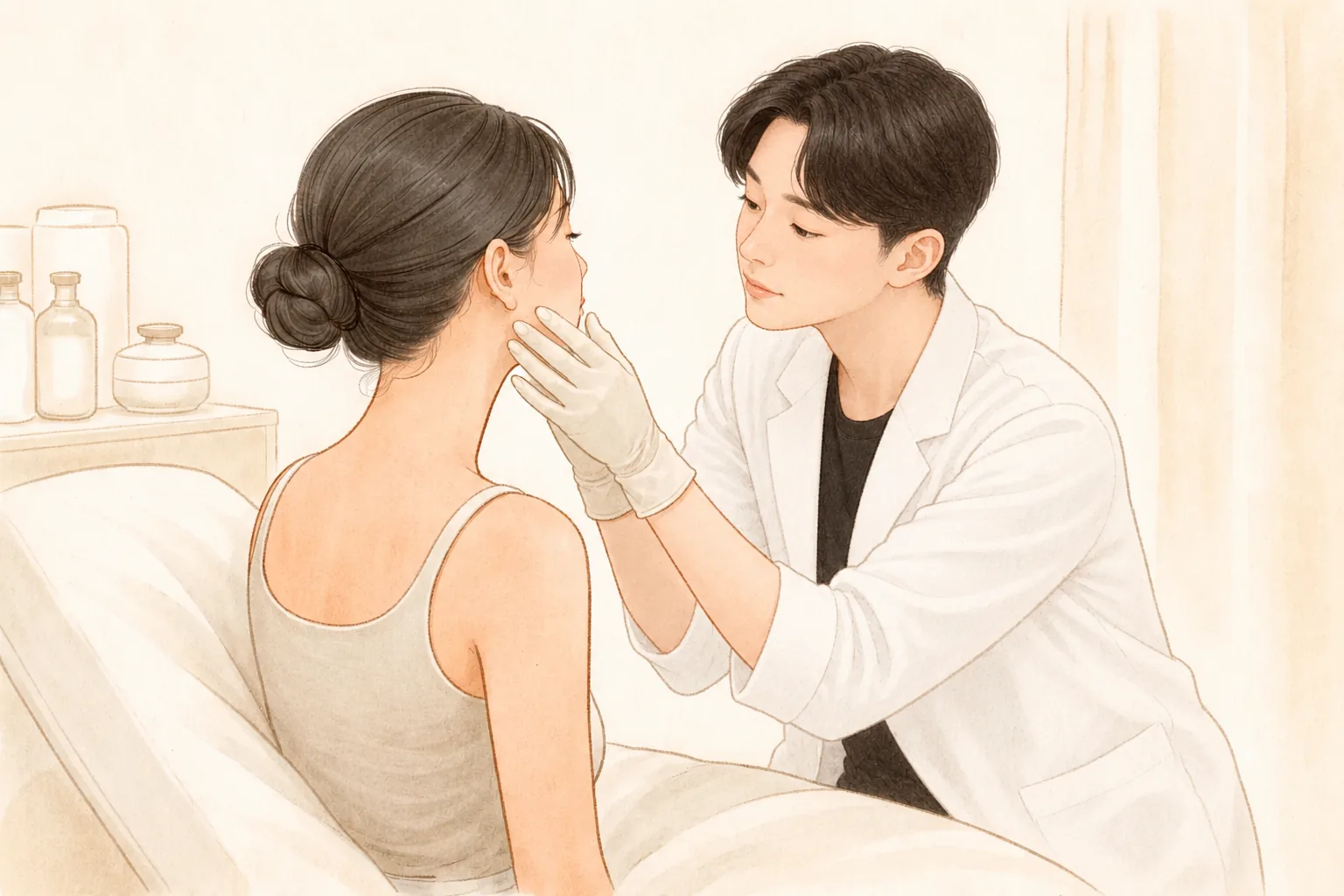
What Is an LDM Facial? Pain, Anesthesia, and What Gets Decided Before Treatment
An LDM facial is known as a gentle skin-care treatment, but how much it hurts depends on the settings, area, and timing. Here is what gets decided before you start, plus LDM facial benefits and what to ask at your consultation in Gangnam, Seoul.
Written by ATTITUDE Clinic Editorial Team
Two questions come up most often before an LDM facial. "Does it hurt a lot?" and "Do I need numbing cream?" In the treatment guide at ATTITUDE Clinic, LDM is listed as a skin care treatment, and it comes in two formats: 6 minutes and 12 minutes (treatments and pricing guide). This article walks through what determines how much you feel, who decides whether anesthesia is used and when, and what you can prepare before and after to make the session more comfortable.
The short answer first
How strong the discomfort feels is shaped by the type and intensity of energy the treatment delivers to the skin, the treatment area, the total time, your skin condition that day, and your individual sensitivity. That is why it is hard to predetermine it as a score. Whether anesthesia is used, or whether a topical numbing cream is enough, is decided together at the consultation based on your skin condition and goals. The American Academy of Dermatology advises asking at a cosmetic consultation whether anesthesia will be used during the procedure (AAD cosmetic consultation guide). If something feels uncomfortable during the treatment, simply speaking up lets the intensity be adjusted; you do not have to push through it.
What determines the pain
There is a reason people feel pain differently. Even for the same treatment, the stimulation the skin receives changes depending on where, how strongly, and for how long the energy is delivered. The ATTITUDE Clinic column also notes that pain varies greatly with the type and intensity of the treatment, the treatment area, and individual sensitivity. Areas where the skin is thin and close to bone, such as around the eyes or the forehead, can feel more sensitive even at the same intensity, while thicker areas like the cheeks tend to feel duller by comparison.
"It doesn't hurt" does not mean you feel nothing at all. Cosmetic treatments carry risks like any other medical procedure, so the consultation process needs to cover the risks, benefits, and other options (AAD cosmetic consultation guide). When someone explains the pain to you, asking "under what conditions could it hurt more" is more useful in practice than "how much does it hurt."
Your skin condition that day is another variable. If you have had long sun exposure recently, exfoliated aggressively, or are using irritating ingredients such as retinol, the same settings can feel different. That is why the consultation first checks recent exposure and the products you are using.
How anesthesia is decided
Anesthesia for cosmetic treatments is not one thing; it comes in several levels. They range from topical numbing (temporarily reducing sensation on the skin's surface) to sedation and general anesthesia. The AAD peel guide states that deep peels are performed under general anesthesia in a surgical setting, while medium-depth peels are soothed afterward with cold compresses and lotions or creams (AAD peel guide). This means that even for the same cosmetic treatment, the level of anesthesia varies greatly depending on how deeply it acts on the skin.
For skin-care treatments that work on the surface and shallow layers, the level of anesthesia needed is decided at the consultation based on treatment time, intensity, and skin condition. The ATTITUDE Clinic column notes that topical numbing before treatment can reduce discomfort, and that the anesthesia method for the treatment area and intensity is decided together at the consultation. It is also worth remembering that whether anesthesia is used is itself something to ask about at the consultation (AAD cosmetic consultation guide).
It can be adjusted even after the treatment starts. If something feels hard to tolerate, telling the practitioner right away allows the intensity to be lowered, and if you are comfortable, the treatment can proceed as far as needed.
Time and settings are what ultimately make the difference
LDM is listed in the clinic guide as two formats: 6 minutes and 12 minutes (treatments and pricing guide). Having split time formats means the area covered and the stages are chosen to match your skin condition, and which one fits is decided at the consultation. If pain is a concern, the time format is another item to discuss.
Ways to reduce discomfort also come back to settings. Lowering the intensity and splitting the time changes the stimulation the skin receives, and keeping the recovery interval also affects how the next session feels. The column notes that even for the same treatment, results and burden differ depending on whether the settings are matched to your skin condition and whether sessions are repeated before recovery is complete.
Table 1 Time and settings are what ultimately make the difference
Items to check at the consultation
What to ask
What changes based on the answer
Whether anesthesia is used
Whether anesthesia will be used during the treatment, and in what form
The discomfort you feel during the treatment and the preparation time
Treatment time and number of sessions
How long one session takes and how many are needed
Your visit schedule and overall plan
Recovery period
When you can return to daily activities and exercise
The gap between your important dates
Risks and alternatives
The risks of this treatment and other options
The type of treatment and setting changes
Practitioner's experience
How long they have performed this treatment and whether they have treated patients of your skin tone and age group
How realistic your expectations are
Swipe sideways to see the whole table.
The items above summarize the questions the American Academy of Dermatology advises checking before a cosmetic treatment (AAD cosmetic consultation guide).
In short The discomfort of an LDM facial results from the treatment intensity, area, time, and your skin condition that day combined, so it is hard to predetermine as a number. Anesthesia varies in level depending on how deeply the treatment acts on the skin, and the approach needed is decided at the consultation. Asking about anesthesia and your recovery schedule first makes the day of treatment far more predictable.
If this sounds like you
If you are especially sensitive to pain
If you tend to feel tense even with injections or lasers, it helps to mention it first at the consultation. Sensitivity is important information for adjusting settings, and the intensity can be lowered during the treatment too. If a previous treatment was difficult, it helps to tell them which area and which method was hard.
If a wedding, photo shoot, or other event is coming up
If you have a fixed date, it is safer to work backward from that date to decide the treatment type, intensity, and when to start. If redness or dryness right after treatment overlaps with your event, your range of options narrows.
If you are considering it alongside soothing care after another treatment
Whether it can be done the same day depends on the type and timing of the earlier treatment and your skin condition. Telling them your recent treatment history at the consultation lets you sort out the order and intervals together.
If you are a short-stay visitor
If your stay is short, let them know your departure date and next appointment in advance. A consultation can adjust the intensity and format to fit your schedule.
Tell them before your consultation
Whether you have had a lot of sun exposure recently
Medications and cosmetics you take or apply (especially exfoliating ingredients and irritating ingredients such as retinol)
Any experience of skin becoming sensitive after a previous treatment
How sensitive you are to pain
Events you want to avoid overlapping, such as a wedding, photo shoot, or trip
How ATTITUDE Clinic proceeds
AI skin analysis record — Current skin condition, including pigment, redness, texture, and pores, is recorded with an analysis tool. This tool only records and organizes information to support the consultation; it is not a medical diagnosis.
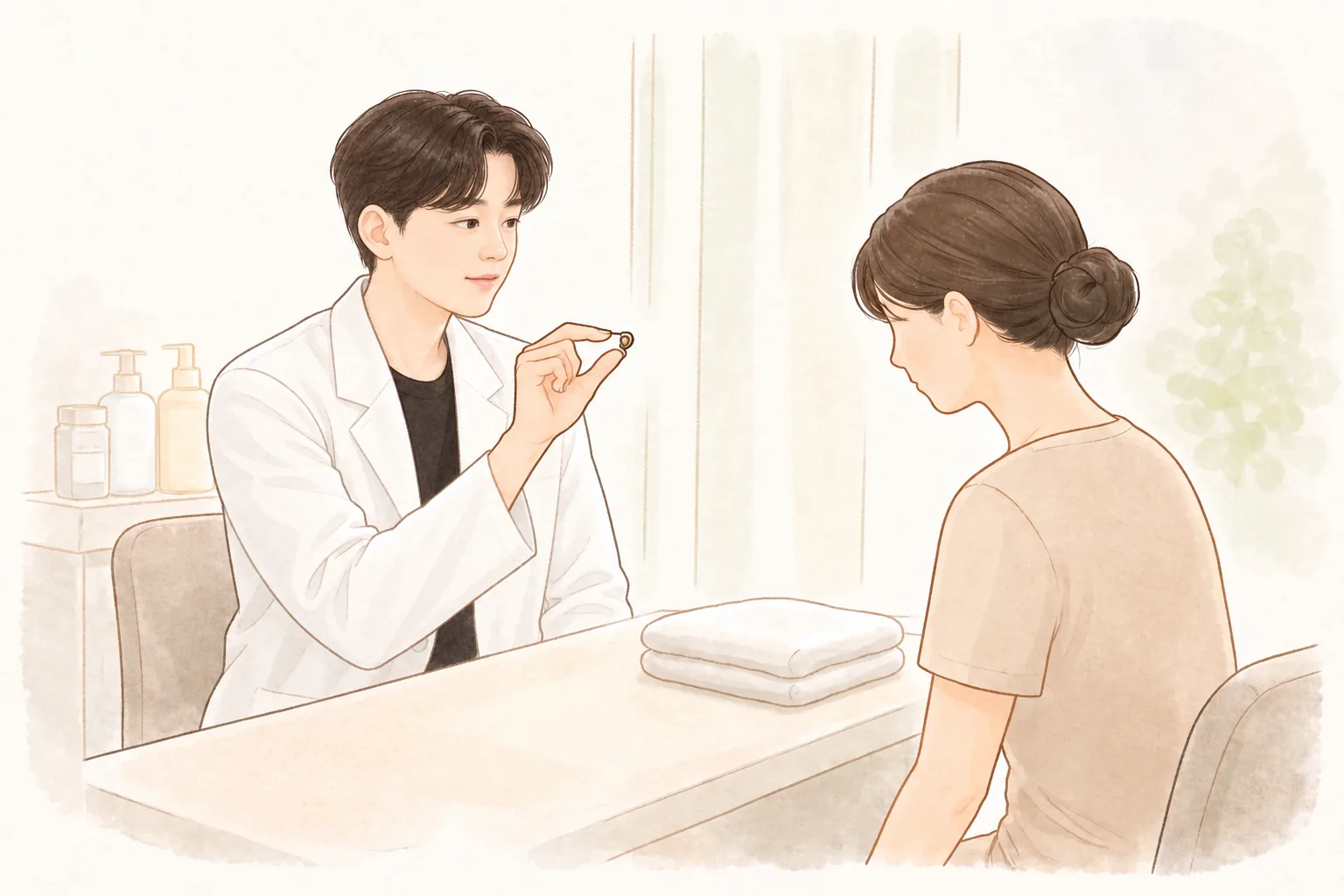
Designing the direction through a doctor's consultation — Your schedule, pain sensitivity, and skin history are added to the analysis record to decide the treatment type, intensity, and timing together. Suitability is first checked through a pre-treatment questionnaire.
Treatment performed directly by the doctor — Topical numbing is used as needed to reduce discomfort, and the doctor performs the treatment directly. If something feels hard to tolerate during the treatment, telling them right away adjusts the intensity.
Recovery and aftercare guidance — Aftercare instructions and a recovery schedule are provided. Following the principle of genuine products, correct dosage, and fair pricing, they do not recommend more sessions or intensity than necessary.
Four steps your doctor sees to in person
From the diagnostic device to the treatment bed, the doctor you first consult takes care of everything.
01
Precision diagnosis
In a private diagnosis room the whole face is photographed, recording even skin conditions that are hard to see with the eye.
02
Skin analysis
The doctor goes through your pore, pigmentation, wrinkle and firmness results with you on screen and explains what comes first.
03
One-to-one design
With your skin, the balance of your face, the change you want and your schedule in view, you decide the treatment and its extent together.
04
Treatment by your doctor
The doctor who consulted you performs the treatment from start to finish in a private treatment room. No one takes over halfway.
“I take injection pain seriously.”
Co-Director Dr. Lee Dong Hun
Many people hesitate over injection treatments because they hurt. So we went back over everything, from the anesthetic to the products used.
Careful numbing, unhurried timingWe allow plenty of time for a special numbing cream to take full effect, and add anesthetic injections for the treatments and areas that need them.
Fine needles, finished quicklyInjection treatments use fine needles, and the doctor finishes them personally in a short time, adjusting along the way by watching how you are doing.
Even the product formulation countsThe same treatment can feel more or less demanding depending on the product, so we take that into account too.
The anesthetic method and whether it is used are decided after an examination, according to the treatment, the area and your condition. How much it hurts varies from person to person.
Devices you can check in the clinic guide related to this topic include LDM (6 minutes and 12 minutes) under skin care, ultrasound-based lifting, radiofrequency-based lifting, PicoPlus for pigment, Vbeam for vessels, and an erbium:YAG laser for refining the skin surface (treatments and pricing guide). When the device and purpose change, treatment time, intensity, and the items decided at the consultation change along with them.
Aftercare and side effects
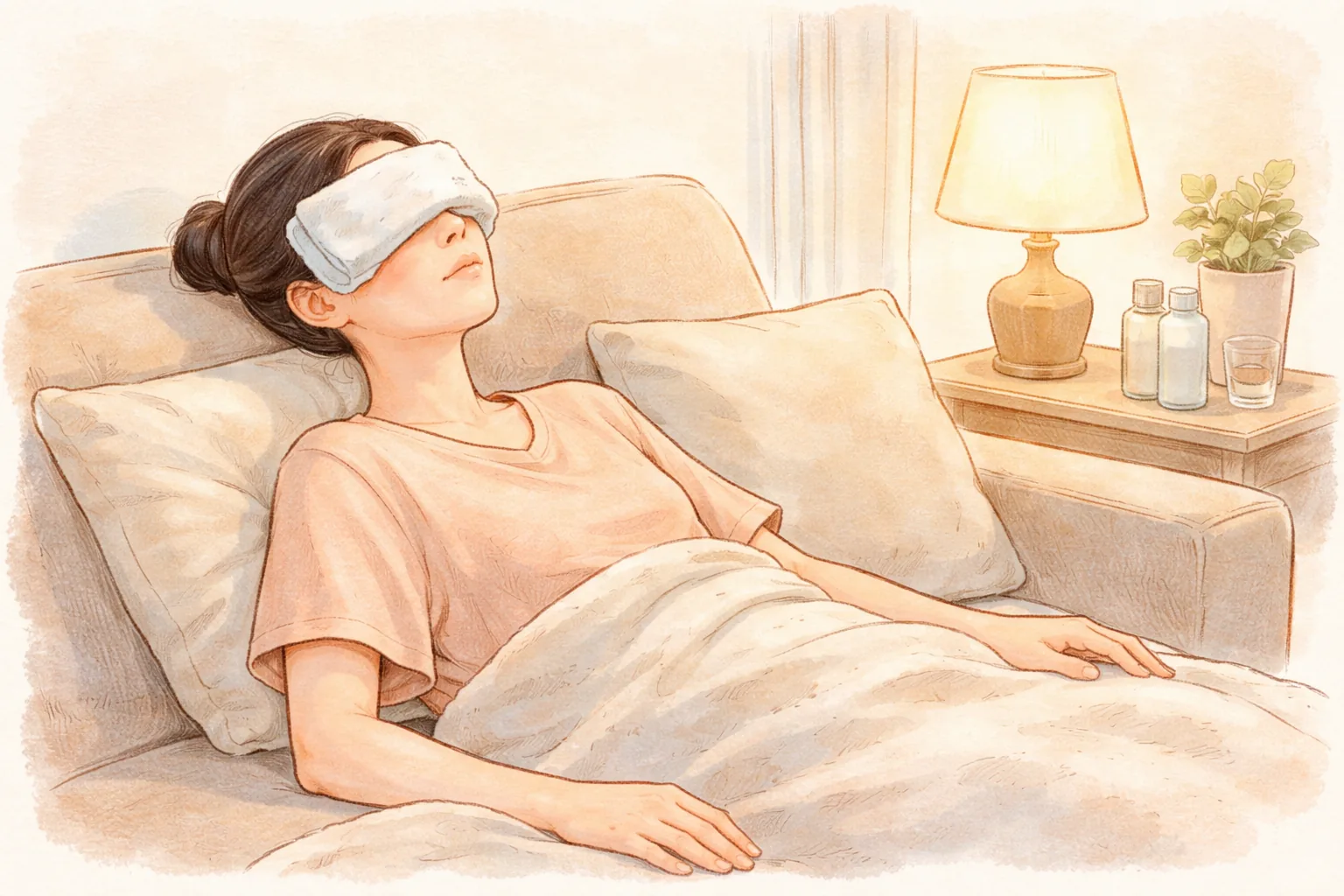
Soothing — The skin may be temporarily sensitive on the day of treatment, so avoid strong exfoliation, irritating scrubs, and saunas for the period you are advised.
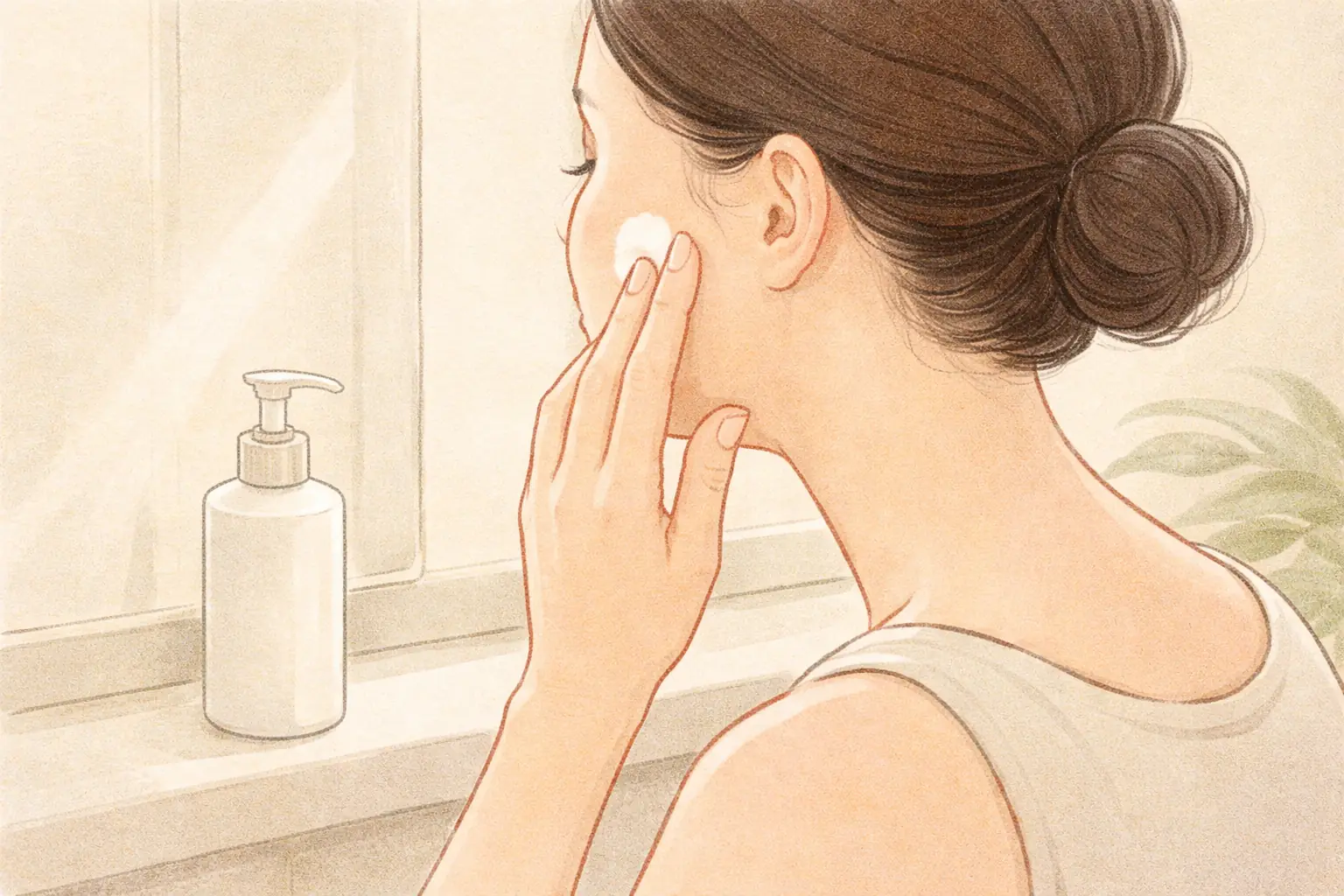
Moisturizing — Keep moisturizing while the skin barrier recovers. If dryness lingers, the skin can feel more sensitive.
Sun protection — Sun protection is especially important after treatment. Applying it thoroughly throughout the recovery period is how you protect the results.
Checking progress — If redness or heat lasts longer than expected, or pain worsens, do not push through it; visit the clinic to have it checked.
With lasers and other energy-based treatments, redness, heat, swelling, and stinging are common reactions, and the goal is for them to subside within a few days. Rarely, blisters, temporary pigmentation, hypopigmented patches, infection, or scarring can occur. The American Academy of Dermatology also advises checking the risks and benefits at the consultation, since cosmetic treatments carry risks (AAD cosmetic consultation guide). Which reactions are part of the normal course and from what point you should notify the clinic is explained before treatment, tailored to the treatment you have planned.
Frequently asked questions
Does an LDM facial hurt?
The degree of discomfort is shaped by the treatment intensity, area, total time, your skin condition that day, and your individual sensitivity. Even for the same treatment, thin areas like around the eyes feel different from thicker areas like the cheeks, and on a day when your skin is sensitive it can feel stronger than usual. How comfortable you can be is judged together at the consultation when the intensity and time format are set. If something feels hard to tolerate during the treatment, telling them right away adjusts the intensity.
Do I have to use numbing cream?
The level of anesthesia varies depending on how deeply the treatment acts on the skin. The AAD peel guide also states that deep peels are performed under general anesthesia (AAD peel guide). Topical numbing can reduce discomfort, and the anesthesia method for the treatment area and intensity is decided together at the consultation. Whether to use it at all is also something to ask about at the consultation (AAD cosmetic consultation guide).
What is different between the 6-minute and 12-minute LDM facial?
In the clinic guide, LDM is listed as two formats: 6 minutes and 12 minutes (treatments and pricing guide). The time format is a matter of how the area covered and the stages are set, and which one fits is decided at the consultation based on your skin condition and goals. There is also the option of starting with the shorter format to see how your skin responds, then adjusting at the next visit. If pain is a concern, it is better to discuss the time format and intensity together.
Can I have it on the same day as another treatment?
It depends on the type and timing of the earlier treatment and your skin condition, so the order and intervals are decided together at the consultation. Telling them your recent treatment history, medications, and cosmetics helps with planning. If a treatment still has recovery time remaining, the plan may be adjusted so it is not done on the same day. It is also worth checking how long the practitioner has performed this treatment (AAD cosmetic consultation guide).
What should I look at when choosing a clinic?
The American Academy of Dermatology advises that treatment results depend heavily on the practitioner's skill and experience (AAD cosmetic consultation guide). At the consultation, a starting point is asking how long they have performed this treatment and how many patients of your skin tone and age group they have treated. It is also worth checking which treatment suits your concern, what results you can realistically expect, and what the risks and recovery period are. Asking about anesthesia and cost as well makes the day of treatment more predictable. Whether they recommend only as much as is needed, rather than pushing a fixed intensity or number of sessions, is a criterion to judge by.
At a glance
Table 2 At a glance
Item
Key point
What determines the pain
Treatment intensity and area, time, skin condition that day, and individual sensitivity
Anesthesia
The level varies with how deeply the treatment acts on the skin, and the approach is decided at the consultation
Treatment formats
Based on the clinic guide, LDM comes in two formats: 6 minutes and 12 minutes
Check at the consultation
Whether anesthesia is used, time and number of sessions, recovery period, risks and alternatives, practitioner's experience
During treatment
If something feels hard to tolerate, telling them right away adjusts the intensity
After treatment
Soothing, moisturizing, sun protection; if redness or pain lasts long, visit the clinic
This article offers general health information. It is not a substitute for diagnosis or treatment based on your own condition, so please talk through your situation with a doctor.