
01 — Lifting
Onda
Microwave lifting for the fat layer and dermis together

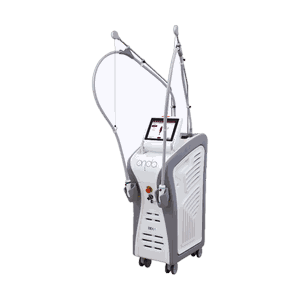
Onda uses microwave energy to deliver heat to the fat layer beneath the skin and to the dermis. Beyond facial firmness and contour it is also used to refine body areas such as the arms and abdomen, and the treatment is sized by the total energy used (kJ).
From KRW 75,000 · excl. VAT
- Method
- Microwave energy
- Treatment time
- Face, about 20–40 min
- Numbing
- Usually none; cream if needed
- Back to routine
- Usually the same day
What it is
What is Onda?
Onda is a microwave device from DEKA in Italy. It cools the skin surface while delivering energy to the layers below, supporting firmness and contour on the face and shape on the body.
Pricing is by the total energy used (kJ), with separate bands for face and body. The right amount is chosen after looking at the size of the area and the thickness of the fat.
How it works
How it works

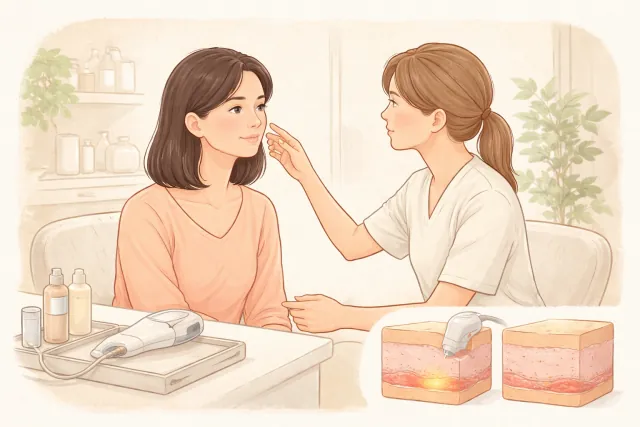
Microwaves turn into heat in water-rich tissue and the fat layer, and this heat changes the fat layer and the collagen structure of the dermis. Because the surface is protected by cooling, the treatment feels warm, and changes appear gradually over several weeks.
Is it right for you
Is it right for you?
A good fit when
- Sagging and fullness under the cheeks and chin both concern you
- You want to refine body areas such as the arms, abdomen or thighs
- You want an option with little pain or downtime
- You prefer steady care over several sessions
Talk to your doctor first if
- You are pregnant or have a metal implant in the area
- You have a pacemaker or another implanted electronic device
- There is inflammation or a wound in the area
- Your cheeks are slim and reducing fat could make them look hollow
Pricing
Onda pricing
Onda — faceOnda · DEKAOnda — bodyOnda BodyAll prices exclude VAT.
The process
How a visit works
Consultation & AI skin analysis
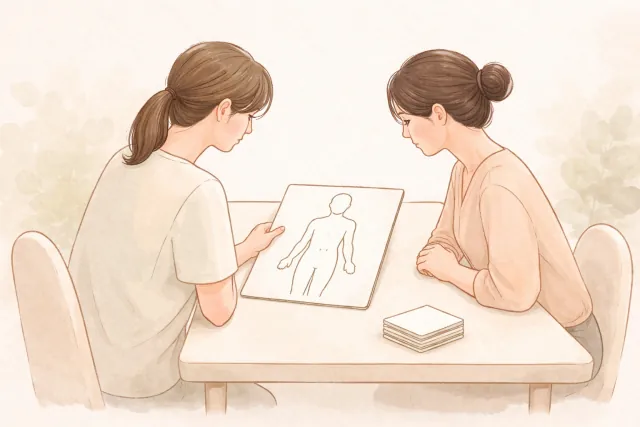
An AI skin analysis records where your skin is today; one of our co-directors then examines you and decides whether to treat, how strongly and where.
Preparation
After cleansing, the area is marked and numbing cream is prepared if your skin needs it.
Treatment
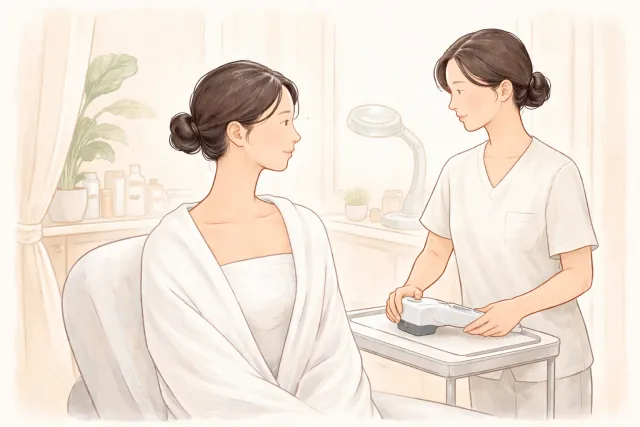
The handpiece moves slowly over each area until the planned energy has been delivered. It can feel warm or hot.
After your visit
After a calming finish you can go home straight away; make-up is usually fine the same day.
Aftercare
Recovery & aftercare
- Redness and warmth usually settle within a few hours.
- After body treatment the area may feel achy or tender for a few days.
- Swelling or small lumps are rare — tell us if they linger.
Sessions & spacing
It is usually planned as several sessions two to four weeks apart, with the number depending on the area and goal. Comparing photos and measurements taken under the same conditions is the most accurate way to judge results.
Your doctors
Seen by our two co-directors
At ATTITUDE, co-directors Dr. Lee Jae Min and Dr. Lee Dong Hun examine you themselves and decide with you what is needed, what is not, and in what order.

Dr. Lee Jae Min
Co-Director
Dankook University College of Medicine
Korean Aesthetic Surgery and Laser Society (ASLS) · Korean Association for Laser Dermatology and Trichology (KALDAT) · Korean Academy of Facelift & Contouring (KAFC)

Dr. Lee Dong Hun
Co-Director
Kyungpook National University School of Medicine
Korean Aesthetic Surgery and Laser Society (ASLS) · Korean Association for Laser Dermatology and Trichology (KALDAT) · Korean Academy of Facelift & Contouring (KAFC)
Questions
Frequently asked questions
When will I see results from Onda?
Heat-driven changes tend to appear over several weeks, and results are judged after completing a few sessions. They vary from person to person.
What does kJ mean?
It is the total energy used in the treatment. The amount needed depends on the size of the area and the thickness of the fat, so it is set after your examination.
Will my face lose too much fat?
If your cheeks are slim, a fat-layer treatment may not suit you, so we check this first. If needed, we suggest other options.
How is it different from Titanium?
Onda uses microwaves, while Titanium uses lasers of three wavelengths. They target layers differently and feel different, so the choice depends on your concerns and the area.
Journal
Further reading from our Journal

Explore